Choosing the Right Desert Buggy for Your Dubai Adventure
Start with the kind of driving you want
Picking the right dune buggy starts before you look at any vehicle. First decide what kind of outing you have in mind. A short ride over rolling sand is different from a longer route with steep climbs, tight turns, and open stretches. The terrain shapes almost every other choice, from power and suspension to seating and safety gear.
Think about the mood of the day as well. Some riders want a calm introduction to the desert with steady driving and plenty of stops. Others want a livelier ride with quick changes of direction and more time on sand dune terrain. Being honest about comfort, confidence, and riding experience makes the decision much easier.
A useful first step is to separate sightseeing from sport. If the main aim is photography, a relaxed route and a buggy with good visibility matter more than raw speed. If the main aim is adrenaline, handling and control become more important. For many visitors, a balanced option works best: enough performance for fun, but not so much that the vehicle feels demanding on uneven ground.
Match the vehicle to the rider
Seating is one of the most practical details to check. A two seat buggy suits couples or friends who want a shared ride. A four seat option may suit families, though passengers still need enough room to sit comfortably and hold on safely. Taller riders should pay attention to legroom, headroom, and the shape of the seats.
Driving position matters too. The steering wheel should feel natural, not stretched or cramped. Pedals should be easy to reach without twisting the body. Before committing, it is sensible to ask how the vehicle is set up for different rider sizes and whether adjustments are available.
Experience level is another filter. A powerful off-road vehicle can be exciting, but it also asks for smoother inputs and better judgement. New riders often do better with a buggy that accelerates predictably and has stable steering. Experienced riders may enjoy a model with sharper response, as long as they can use it with restraint on changing sand.

It is also worth considering who will drive. If only one person in the group is comfortable behind the wheel, choose a vehicle that allows that rider to stay relaxed for the whole route. A good match reduces fatigue and keeps attention on the terrain instead of on controlling the machine.
Check the safety setup before the fun details
Safety should shape the choice, not sit at the end of it. A proper safety helmet is essential, and it should fit snugly without pressing painfully. The chin strap should stay secure when the head moves. A loose helmet can shift at the worst moment, so a correct fit matters more than appearance.
Eye protection is also useful in an open buggy. desert goggles help keep sand and dust away from the eyes, especially when the route includes faster sections or dry patches. Riders who wear glasses should check that the chosen eyewear works comfortably with them.
Ask about the vehicle's safety equipment in plain terms. Seat belts, roll protection, mirrors, and a dependable braking system all contribute to a safer ride. Any warning light, unusual noise, soft pedal feel, or steering problem is a reason to stop and report it. Mechanical repairs, brake work, and electrical faults are jobs for a qualified professional, not something to test during a desert outing.
Clothing deserves a little thought as well. Lightweight layers, closed shoes, and sun protection make a real difference. Loose scarves or hanging accessories can catch on parts, so keep clothing simple and secure. The best buggy choice is one that lets everyone focus on the route rather than adjust uncomfortable gear.
Look closely at performance, not just size
When comparing dune buggy dubai options, look beyond the engine number. Power is useful, but torque, weight, suspension travel, and tyre condition all affect how a buggy behaves on sand. A lighter vehicle with well matched suspension can feel easier to control than a heavier one with a larger engine.
Suspension is especially important because sand is rarely flat. Small dips, ridges, and soft patches can arrive quickly. A buggy with suitable suspension helps absorb those changes and keeps the ride steadier. If the route includes dune bashing, ask how the vehicle is prepared for that style of driving and what limits riders should respect.
Tyres are another clear point of comparison. Sand tyres are designed to spread weight and maintain grip on loose surfaces. Worn or badly inflated tyres can make steering feel vague and increase the effort needed to climb. A simple visual check can reveal obvious damage, but pressure and technical concerns should be handled by someone qualified.
Braking response should feel consistent. Since sand can change under the wheels, predictable slowing is valuable. If a pedal feels strange or the vehicle pulls to one side, the ride should not continue. A professional inspection is the right route for that kind of issue.
Understand the route and the pace
The best vehicle choice depends heavily on where it will be driven. Open desert offers space, but it still requires care. Routes may include firm tracks, soft climbs, descents, and tight turns around dunes. A buggy that feels stable at moderate speed may be a better fit than one built mainly for sudden bursts of speed.
Ask what the route includes before choosing. A sunset tour may place more emphasis on views, stops, and relaxed driving. A sportier ride may focus on repeated dune crossings and technical sections. Neither is automatically better. The right choice is the one that matches the group's comfort and expectations.
It also helps to know how the pace is managed. A good outing gives riders time to settle in, then builds up gradually when conditions allow. If the group includes children, older passengers, or first time riders, a steadier pace is usually more enjoyable than a route packed with aggressive driving.
Compare what is included and what is expected
Before booking, clarify the practical details. Confirm what safety gear is supplied, what riders should bring, and whether there are any basic requirements for driving. Clear answers at this stage prevent awkward surprises later. The aim is not to collect every possible detail, but to understand the essentials that affect comfort and safety.
Ask whether the buggy is used for a private ride or shared with others. A private ride gives more control over pace and stops. A shared outing can feel livelier and may suit solo travellers who enjoy meeting other riders. Both can work well, but the vehicle choice should fit the format.
Check the route length and the amount of time actually spent driving. Some experiences include long transfers, photo stops, or other desert activities. If driving is the main priority, a route with more time in the buggy will matter more than extra extras. If a broader desert safari is the aim, the buggy portion may be one part of a fuller day.
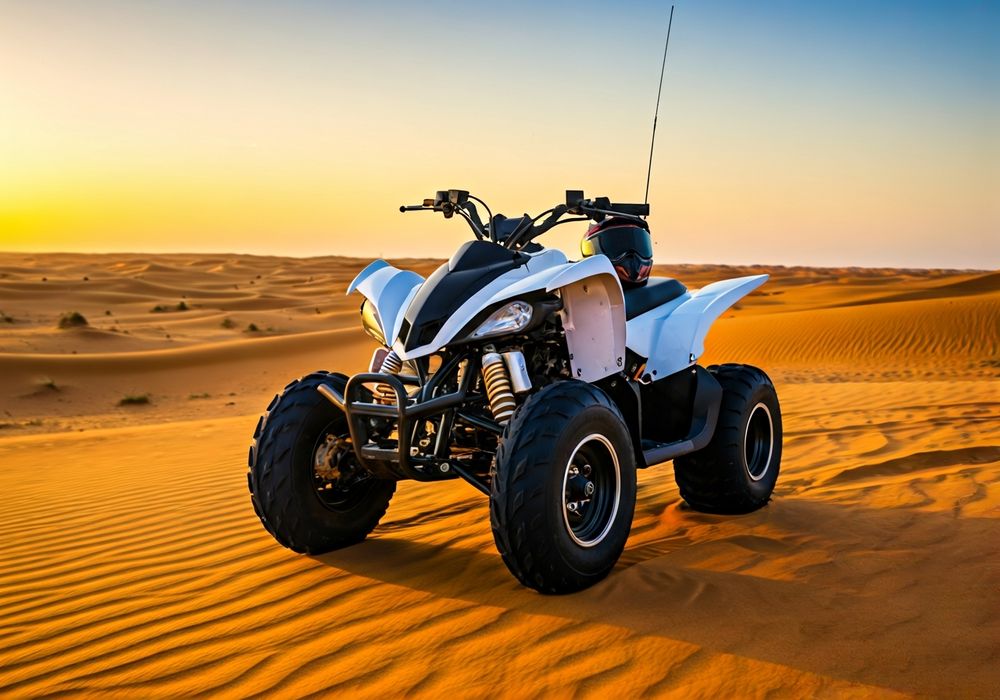
Also consider how the vehicle is used alongside other activities. A quad bike has a different riding position and feel from a buggy, so it suits a different style of rider. Anyone unsure between the two should think about balance, visibility, and how much steering input feels comfortable.
Make the final choice with a calm check
By this point, the decision should be fairly focused. Choose the vehicle that fits the riders, the route, and the level of excitement wanted. A buggy that looks impressive is less useful if it feels awkward or overpowering. A modest looking vehicle can be a better choice if it feels stable, clear to control, and suited to the sand.
Before the ride begins, take a moment to check the obvious details. The helmet should fit, the seat belts should work, the steering should feel normal, and the rider should understand basic signals and stops. Any concern about noise, steering, braking, or warning lights should be raised before moving off. Technical faults should be left to a qualified professional rather than handled in the desert.
The right choice usually feels sensible from the first few minutes. Controls are easy to understand, the rider feels secure, and the pace leaves room to enjoy the landscape. When those pieces line up, the buggy becomes a way to experience the desert rather than a distraction from it.
Corrections
Spot something wrong? Send it to the desk and it gets fixed in the open.